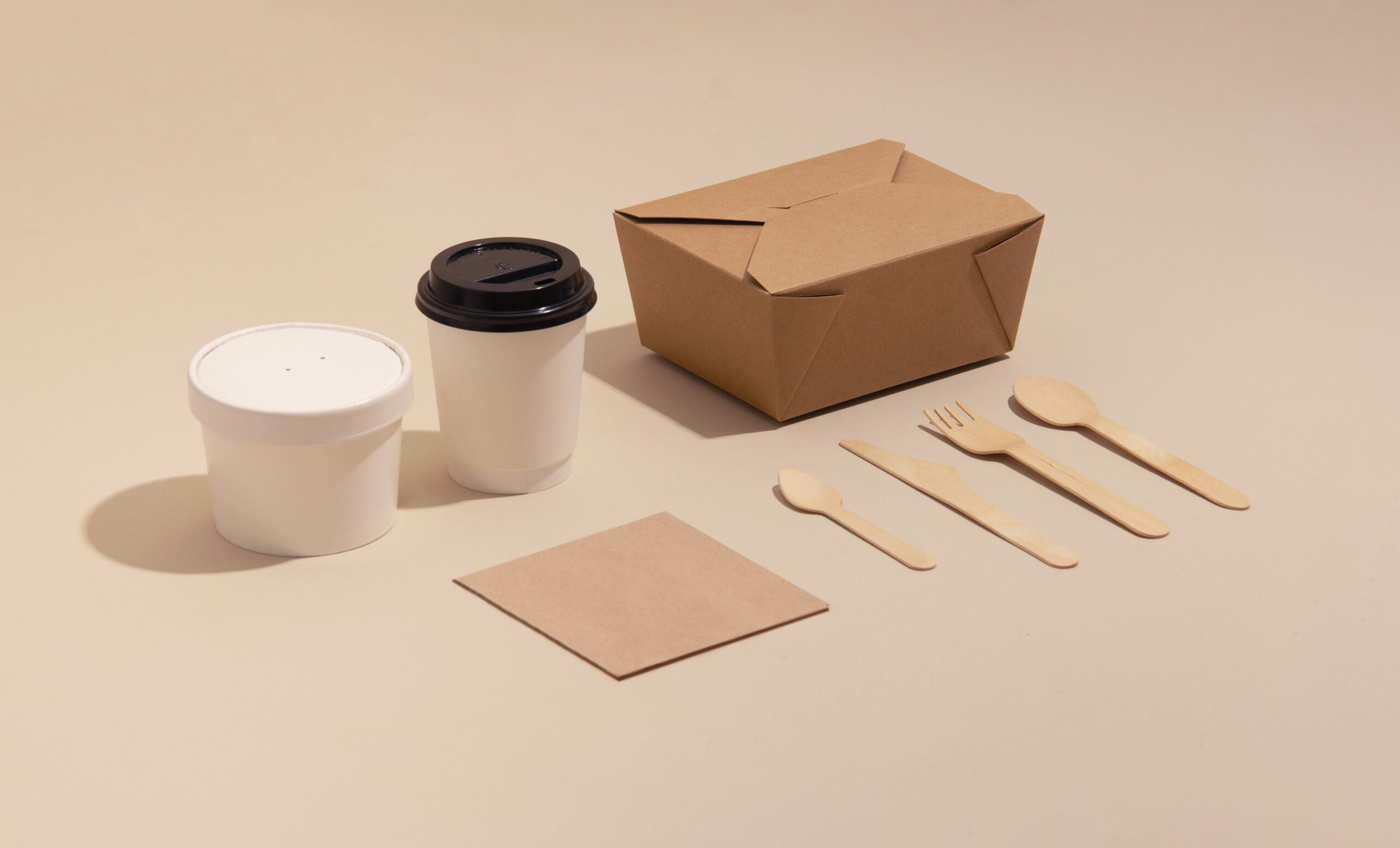
You might not think about it when unboxing your new headphones or grabbing a protein bar between classes – but someone designed that packaging. And not just for looks. From keeping products safe to improving sustainability and even helping reduce costs, packaging engineers are quietly shaping the world around us. For students studying materials science, mechanical design, or even chemical engineering, this field offers an exciting, interdisciplinary path with real-world impact.
And if you’re building your portfolio or thesis, you might find yourself wondering: Can someone do my essay by natives while I prototype packaging that saves the planet? Good news – help is out there. Many engineering students turn to the best essay writing service for support with writing, especially when balancing lab time and deadlines.
Samuel Gorbold, a noted education specialist and editor at an essay writing service, once highlighted how writing and design intersect in technical fields like packaging – showing that good communication is just as valuable as the physical product.
Now, let’s find out what does packaging engineer do and how it benefits the world.
What Does a Packaging Engineer Do?
Let’s break it down. What does a packaging engineer do exactly? Their job goes beyond making things look nice. Packaging engineers develop materials, shapes, and protection systems to ensure items stay safe, functional, and attractive throughout storage, transit, and use. They work with manufacturers, marketers, logistics teams, and environmental regulators.
Typical tasks include:
- Selecting appropriate materials for product safety and cost
- Designing packaging using CAD software and testing for stress and temperature
- Working on sustainability goals like recyclability and biodegradability
- Collaborating with branding teams to balance form and function
From medicine to electronics, nearly every industry needs skilled packaging engineers.
What Is a Packaging Engineer?
A packaging engineer is a specialist trained in designing and developing packaging solutions that meet product, market, and regulatory needs. They may hold degrees in mechanical engineering, materials science, or packaging engineering specifically. Some work in R&D, others in logistics or production – but all focus on how things are contained, protected, and presented.
If you’re an engineering student curious about careers with variety, this is one to watch. You’ll likely work on cross-functional teams, balancing tech specs with creativity. You’ll also keep up with evolving materials, like compostable films or temperature-sensitive plastics.
How Students Can Get Started in Packaging Engineering
If you’re wondering how to become a packaging engineer, the journey usually starts in school. While not all universities offer dedicated packaging programs, many engineering tracks offer electives or minors in product design, materials science, or supply chain systems – all closely related.
Here’s how students can build experience:
- Join packaging-related student clubs or sustainability organizations
- Take internships in manufacturing, logistics, or consumer product companies
- Study case studies from brands like Apple, Tesla, or Nestlé to see real-world packaging in action
- Experiment with prototyping software like SolidWorks or Fusion 360
Some schools even offer competitions for students to redesign packaging with sustainability goals in mind. These can be great additions to your resume.
What Do Packaging Engineers Do That Sets Them Apart?
Unlike industrial designers or mechanical engineers, packaging engineers are focused on containment, protection, and sustainability at scale. They think in layers – both literal (barriers, seals, wraps) and figurative (cost, regulation, aesthetics).
They also have to meet several constraints at once:
- Material limitations (like needing lightweight but durable structures)
- Environmental regulations (like EU plastic bans or U.S. recyclability standards)
- Consumer preferences (like “easy to open” features or visual branding)
- Logistics (like packages that stack efficiently or survive long-haul shipping)
This makes the role both challenging and rewarding – perfect for students who enjoy problem-solving and working across disciplines.
Where Packaging Engineers Work After Graduation
You might picture engineers in labs, but packaging engineers often split their time between production floors, computer modeling, and testing environments. Some common sectors include:
- Food and beverage companies (designing containers and seals)
- Medical and pharmaceutical firms (ensuring sterile transport)
- Electronics manufacturers (shock-proof designs for fragile items)
- Sustainable startups (biodegradable packaging solutions)
The field isn’t just about boxes and bottles. It includes flexible films, foams, plastics, smart labels, and even digital packaging with embedded sensors.
Source: https://unsplash.com/photos/a-folded-brochure-on-a-white-background-V5bFRiqbGFc
How College Courses Prepare You for This Career
Students in engineering programs already cover many of the basics: physics, thermodynamics, mechanics, and material science. But to specialize in package engineering, you’ll want to supplement your degree with:
- Packaging design classes or online certificates
- Environmental engineering modules focused on lifecycle analysis
- Business or supply chain courses to understand industry needs
- Technical writing or communication courses for better reporting
All of these skills translate directly into packaging work – especially when your future employer wants someone who can explain the “why” behind every material or shape.
Why Engineering Students Should Care About This Niche
Let’s face it – some students overlook what is a packaging engineer because it doesn’t sound flashy. But this is a career full of innovation. From solving global plastic waste issues to creating packaging for space missions, it’s a high-impact path.
Better yet, it’s one of the few roles where mechanical, chemical, and environmental knowledge all come into play. If you’re someone who enjoys seeing your work in real life – at grocery stores, in hospitals, in shipping warehouses – this role might be more fulfilling than a desk-only engineering job.
Final Thought: Engineering the Future, One Package at a Time
So, what is packaging engineering, and what does it mean to be part of it? It means becoming part of something practical, creative, and sustainable. From improving safety in medicine to cutting carbon footprints in food supply chains, this field is filled with purpose.
So if you’re someone who loves to design, test, solve, and build things that actually get used – maybe it’s time to look beyond bridges and cars, and start thinking about boxes and wraps. The future of packaging needs engineers who care.