
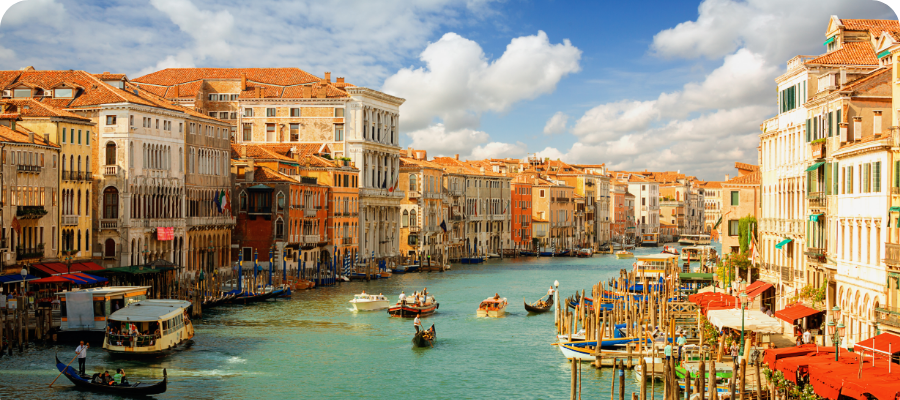
The phrase “Il dolce far niente”, more accurately “the art of doing nothing”, is an expression that has long transcended Italian borders, traveling as much as becoming a state of mind worldwide. It exudes endless charm, romance, and elegance, feeling like an onlooker on a warm summer day, waiting in line for gelato as the city hums around them and Juliet’s and Romeo’s hearts seem suspended in time. For others, these very words “il dolce far niente” evoke the scent of espresso drifting from corner cafes, the laughter of children chasing pigeons in quiet squares, the clinging of wine glasses at sunset, fountains sparkling in golden light, and the gentle murmur of voices, blending seamlessly with the city’s pulse. For you, dear reader, what does it mean?
It is prudent to note, nonetheless, that the Italian version of “the art of doing nothing is indeed fascinating, not because it requires wealth, fame, or a pricey, sun-drenched villa on the Amalfi Coast. Actually, you don’t really need the Amalfi Coast to feel the sun’s warmth. It reaches everywhere. Whether it’s a baker kneading dough in Naples, a sculptor carving marble in Carrara, a retired couple strolling through Siena, or a housewife tending her garden in Umbria, they all equally embody the sweetness of “the art of doing nothing”.
Furthermore, understanding “the art of doing nothing” reveals the latent architectures of Italy’s social and cultural order, factors so elemental that they must be apprehended before any deliberation on itineraries, geographic loci, or the orchestration of quotidian logistics. It is incumbent to note, moreover, that this article undertakes a comprehensive exegesis of both the tangible and intangible dimensions of the Italian experience, hopefully preempting potential lacunae that travelers might have regarding preparation and understanding. Let the show begin!
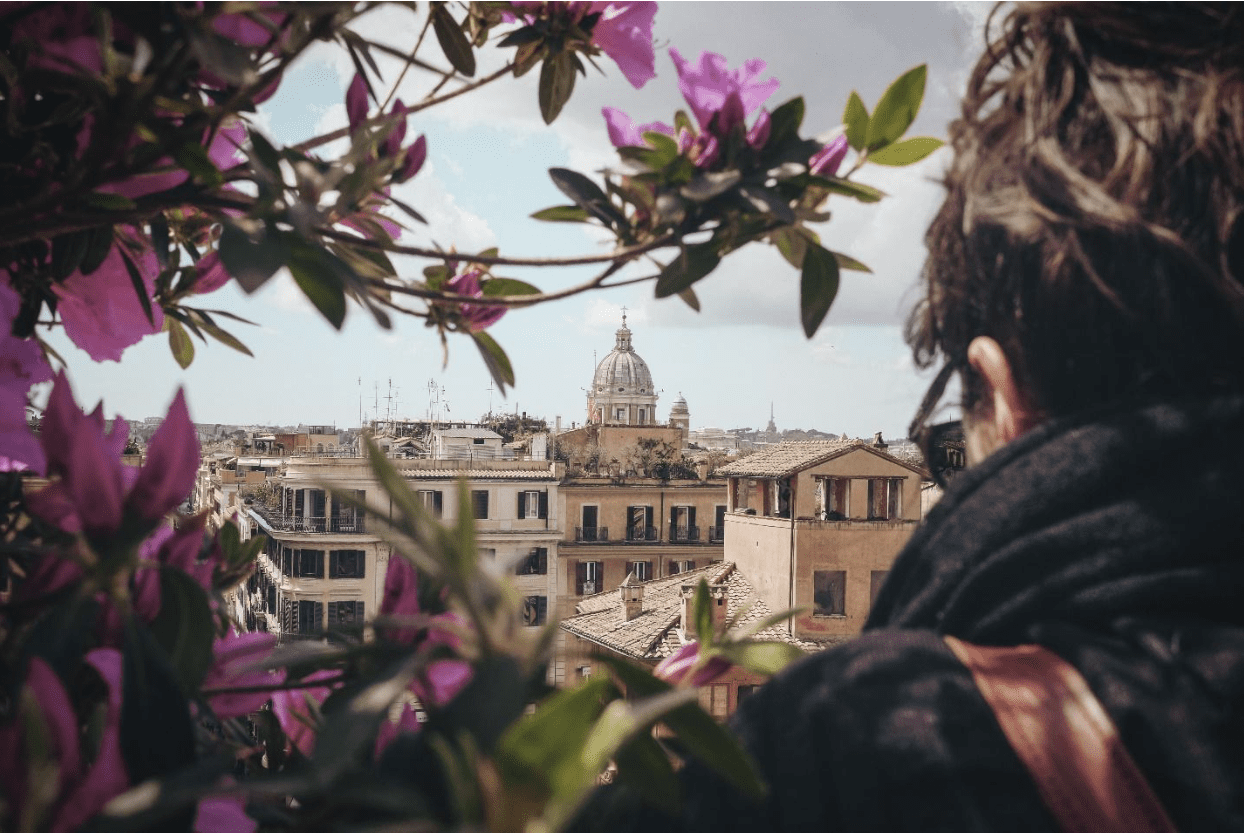
“The Art Of Doing Nothing” As A Cultural Stance
“Il dolce far niente” represents a concept that overall empowers Italians to immerse themselves in idyllic rituals, unburdened by obligation or aim. To trace the genealogy of this location, one must journey back to the epochs of Ancient Rome, for it was the Romans who had a concept much like it, however called “otium”. Furthermore, “otium” largely referred to unwinding pastimes free from official duties or business, including contemplative, recreational, or intellectual activities. The precise locus of origin for the locution “il dolce far niente”, however, resists exact historical codification. Still, its cultural efflorescence is most palpable during the Renaissance, where the dialectic between laborious endeavor and contemplative repose was not merely acknowledged but sacralized as an ethical-aesthetic axiom. It wasn’t until the 18th and 19th centuries that the concept was further popularized, when wealthy nations, particularly those of the United Kingdom, began to take an interest in undertaking the “Grand Tour” of Italy. In due course, the concept migrated into global disclosure, becoming emblematic of a lifestyle philosophy that stands in deliberate friction with the hyper-productivist ethos of modern society.
Nowadays, there are countless cultures that labor (paradoxically) to attain nonchalance. However, nobody does it better than the Italians.
Hilarious, anyhow, that regardless of how sweet it is to do nothing, labor remains our singular salvific force. Labor, or the dubious economy of interpersonal exploitation, but we assume nobody really fancies that.
Italy And Its Secluded Places
Although Italy is commonly celebrated for its grand piazzas and cinematic coastlines, there is more to it than these oft-cited destinations. Furthermore, for the travelers seeking seclusion, these are the landscapes that reveal Italy at its most contemplative:
- Civita di Bagnoregio, Lazio: A ghostly hilltop village perched above a volcanic canyon, accessible only by footbridge, where silence feels almost prehistoric.
- Maratea, Basilicata: A coastal gem hidden between cliffs and sea, offering quiet beaches and a sense of privacy. This circumstance is, in fact, exceedingly rare in the Mediterranean basin, where both land and the sea are typically dominated by crowds and ceaseless motion.
- Aliano, Basilicata: Set in stark, moonlike badlands, this village feels suspended in time. The silence is almost a living presence.
- Levanzo, Aegadian Islands: Small, rugged, and only reachable by boat, Levanzo has crystal-clear waters and winding lanes that invite slow wandering.
- Val di Funes, South Tyrol: Nestled among the jagged Dolomite peaks, this valley feels like a painting come to life, serene and untouched.
- Sappada, Friuli-Venezia Giulia: Wooden houses, alpine pastures, and quiet streets make this mountain village a haven for anyone seeking peace.
- Baunei, Sardinia: Rugged cliffs, hidden coves, and the scent of wild herbs make Baunei feel raw and wild, a side of Italy few get to see.
- Monforte d’Alba, Piedmont: Here, vineyards stretch across gentle hills, and the medieval streets whisper history in every stone.
The Importance Of Staying Connected When Travelling Abroad
A practice increasingly promoted by contemporary travelers involves deliberately disconnecting from digital devices during sojourns, intentionally divorcing the self from reminders of quotidian responsibilities at home. Their strategy works admirably until one finds themselves in a shadowed alley, with an impotent SIM card and no familiar voice to reach for. In that suspended instant, the peril of being utterly unmoored is revealed, making it impossible to overstate the value of the best eSIM for Italy, travel eSIM for Italy. This singular lifeline bridges one to maps, guidance, and familiar voices, even when alleys narrow, shadows deepen, and the comforting tether of home is absent. Yes, Italy may not possess a canonical reputation of peril, but as elsewhere, the interstices between delight and peril are omnipresent. Furthermore, attentiveness to one’s surroundings is as essential as the recognition of contingency itself. No matter how macabre it may sound, the ground is littered with the metaphorical, and sometimes literal, remains of those who once proclaimed, “Come on, that could never happen to me.” Their hubris, alongside the confident dismissal of contingency, stands as a silent testament to the perils of inattentiveness and the cruel impartiality of circumstance.