
Today’s students aren’t just reading about innovation – they’re living it. One area that’s rapidly evolving, yet often overlooked, is smart packaging technology. From food labels that tell you when a product is about to spoil, to packages that track temperature and freshness during transit, the world of packaging is becoming more intelligent and interactive.
But it’s not just about convenience. It’s also about opportunity. As universities expand their curriculums in materials science and sustainability, students are jumping into this field with fresh ideas and research. Many are now writing academic papers or startup proposals on packaging that’s flexible, efficient, and even biodegradable. And when deadlines hit? Some turn to professional writing services to “write my essay” to help shape their research into compelling, well-organized projects.
Beyond writing support, there’s growing collaboration between academic programs and the packaging industry. Internships and student-run sustainability labs are popping up across campuses, especially where innovation meets environmental responsibility.
Jennifer Lockman, a senior editor and researcher at an essay writing service, has highlighted in recent publications how this field intersects with communication, engineering, and even psychology – making it a powerful topic for any ambitious student.
What Is Smart Packaging – And Why Does It Matter?
Let’s clear up the basics first. What is smart packaging? Simply put, it refers to packaging systems that actively monitor, communicate, or enhance the usability of a product. It often includes sensors, RFID tags, QR codes, and materials that interact with environmental changes. For example:
- A yogurt lid that changes color when it’s gone bad.
- A pharmaceutical package that sends an alert if doses are missed.
- A shipping box that tracks exposure to heat during transport.
Smart packaging helps prevent waste, ensures safety, and improves customer experience. As consumers become more health-conscious and environmentally aware, demand is growing – fast.
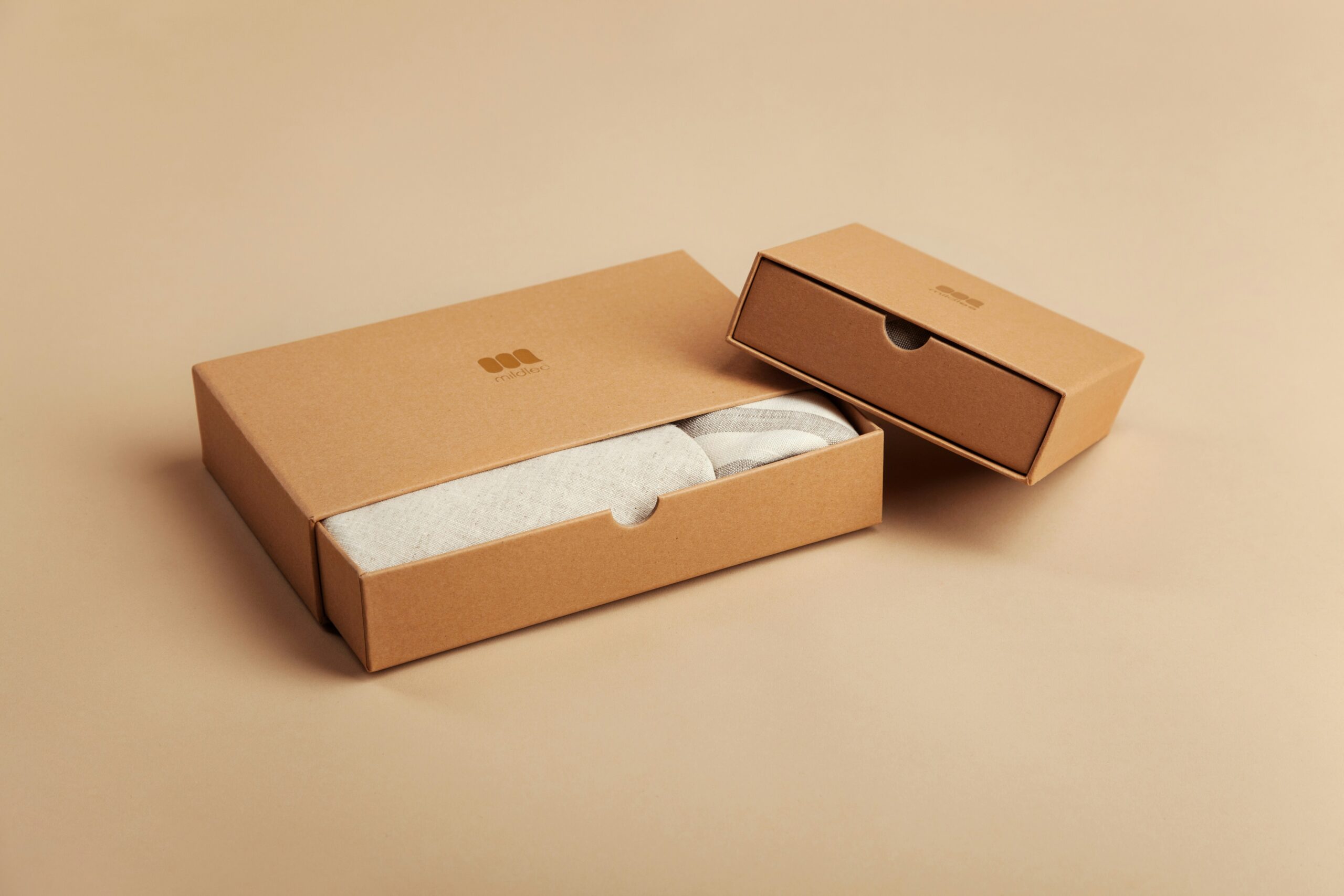
Source: https://unsplash.com/photos/white-and-pink-labeled-box-6I4BLkMP63I
How Students Encounter Packaging Tech Every Day
Even without realizing it, students already interact with smart packaging in dorms, labs, or classrooms. Take meal delivery kits, which often include temperature-sensitive labels or biodegradable insulation. Or pre-made coffee cups with time-release freshness lids. These aren’t just cool features – they’re teaching tools for those curious about how the tech works.
In engineering and design classes, students often reverse-engineer these materials to understand how smart labels function. In marketing or entrepreneurship courses, they study how packaging technology can become a selling point. Some even start small businesses that rely on flexible packaging technology to keep costs and waste low.
Why Packaging Technology Is an Ideal Field for Students
As industries shift toward sustainability and tech-driven solutions, packaging technology offers a unique appeal:
- Interdisciplinary Work: It bridges materials science, computer engineering, design, marketing, and logistics.
- Startup Potential: Many student-led innovations in this field are turning into viable products or ventures.
- Resume Power: Understanding packaging tech can set students apart in industries like retail, food science, and biomedical fields.
And because this field is still growing, students can contribute to the conversation while shaping what comes next.
Benefits of Learning About Smart Packaging in College
For those studying environmental science, chemistry, or industrial design, learning about smart packaging brings both practical and academic advantages.
- Hands-On Learning: Courses often include real-life design or testing assignments.
- Career Readiness: Companies in logistics, biotech, and retail actively recruit students with packaging tech knowledge.
- Innovation Grants: Universities offer research grants and funding for projects focused on sustainable or tech-forward packaging.
- Sustainability Skills: Students gain insight into carbon footprint tracking, product lifecycle, and green certifications.
These experiences can feed into academic work, professional portfolios, or even pitch decks for competitions or investors.
Where to Learn More and Get Involved
If you’re a student interested in joining the smart packaging movement, here are a few ways to dive in:
- Join campus sustainability groups – many partner with companies looking for fresh ideas.
- Attend packaging expos or student competitions – they often feature categories for smart or eco-packaging.
- Look for classes in materials engineering, digital systems, or environmental design – these often touch on smart packaging use cases.
- Write about it – whether it’s a research essay or blog post, this field offers rich material. And when it’s time to submit something polished, professional essay writing services can help ensure your ideas shine.
Final Thoughts: Students and the Future of Packaging
Smart packaging is no longer just a futuristic idea. It’s part of everyday life – and students are at the center of that transformation. Whether you’re experimenting with food storage hacks or developing the next temperature-sensing bandage, you’re participating in a shift that’s reshaping the way we interact with the world.
In the coming years, as this technology becomes more affordable and widespread, today’s student projects may become tomorrow’s essential tools.
And that makes it a great time to learn, invent, and share.