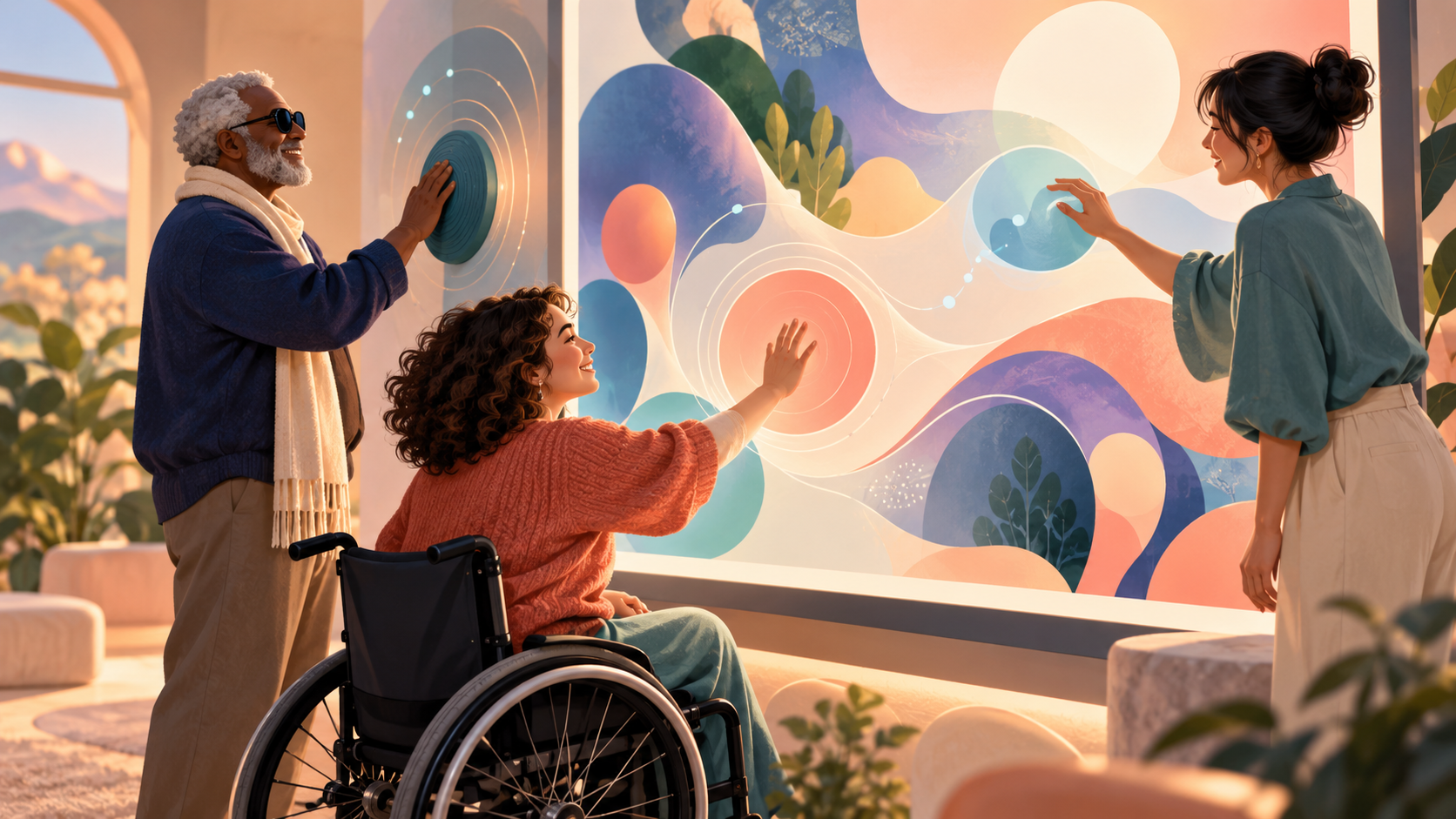
In a digital world saturated with fleeting interactions, the most successful designs are those that forge a genuine human connection. While technology continues to advance at a breakneck pace, the most impactful UI/UX trends are not about flashy new effects, but about creating experiences that are emotionally resonant, deeply personal, and accessible to all. This is a move away from purely functional design towards a more human-centered approach, where the user’s well-being is paramount.
Emotional Design: Crafting Experiences that Resonate
At its core, emotional design is about creating interfaces that evoke positive feelings. This goes beyond simple usability and aesthetics, it’s about understanding the user’s emotional state and designing to enhance it. This can be achieved through a variety of techniques:
- Micro-interactions: Small, delightful animations that provide feedback and a sense of responsiveness. A “like” button that bursts with confetti or a satisfying “swoosh” when an item is added to a cart are small details that can make a big difference.
- Storytelling: Using a narrative structure to guide the user through an experience. This can be as simple as a well-crafted onboarding process or as complex as an interactive journey that unfolds as the user scrolls.
- Personalization: Addressing the user by name, remembering their preferences, and providing content that is relevant to their interests. This creates a sense of being known and valued.
By focusing on emotional design, companies can build brand loyalty and create products that users return to again and again. It is no longer enough for a product to be functional, it must also be enjoyable. For companies looking to implement these strategies, professional UI/UX design services can provide the expertise needed to create these emotionally intelligent designs.
Accessibility: Designing for Everyone
Accessibility is a fundamental aspect of good design. An accessible product is one that can be used by everyone, regardless of their abilities. This includes people with visual, auditory, motor, and cognitive impairments. Designing for accessibility has numerous benefits:
- Expanded Audience: By making your product accessible, you are opening it up to a wider audience.
- Improved User Experience for All: Many accessibility features, such as clear and concise language, high-contrast color schemes, and intuitive navigation, benefit all users, not just those with disabilities.
- Legal Compliance: In many countries, there are legal requirements for digital accessibility.
True accessibility requires a deep understanding of the diverse needs of users. It involves everything from providing alternative text for images to ensuring that the interface can be navigated using only a keyboard.
The Future is Human-Centered
As we move forward, the most successful digital products will be those that prioritize the human element. By focusing on emotional design and accessibility, we can create experiences that are not only functional and beautiful but also inclusive and empowering. This is the future of UI/UX, a future where technology serves humanity, not the other way around.